Creating a multi-screen projection setup can dramatically enhance viewing experiences, gaming, or presentations. This guide examines devices and approaches to split a projector’s output across four displays, focusing on true multi-viewers and practical 1×4 splitters. You’ll learn how these tools differ, what they can and cannot do, and how to pick the right option for your room, budget, and needs.
Summary table of selected products below highlights core capabilities to help you compare quickly. The table focuses on devices that enable true multi-display or identical-output configurations, plus compatible projection screen options for complete theater setups.
| Product | Brand | Core Use |
|---|---|---|
| BolAAzuL 4K HDMI Multiviewer 4×1 Switch | BolAAzuL | Display four sources on one screen with five viewing modes |
| Avedio Links 1×4 HDMI Splitter | avedio links | Duplicate one source to four displays (mirror) |
| Pipishell 120 Inch Projector Screen | Pipishell | Large 4K-ready projection screen for four-surface setups |
| Pyle 40-Inch Portable Projector Screen | Pyle | Compact, portable screen for mobile multi-display use |
| Aoxun 120-Inch Motorized Screen | Aoxun | Large motorized screen for home theater installations |
BolAAzuL 4K HDMI Multiviewer 4×1

The BolAAzuL 4K HDMI Multiviewer Switch gathers four separate HDMI sources into a single display path. It supports up to 4K at 30Hz or 1080p at 60Hz, keeping visuals sharp across formats. This device is ideal when you want a single screen to show multiple inputs at once rather than flipping sources continually. It’s especially useful for PS4, Blu-ray players, cameras, or PCs in a single, synchronized display.
An important advantage is the built-in multi-view modes. You can choose full-screen, two-split, four-equal panels, or mixed layouts like one large window with smaller panes. These options make it easier to monitor several feeds or compare content without switching inputs. A rugged, user-friendly interface supports quick changes during demos or gaming sessions, and the device is designed to minimize input lag for responsive playback.
In practice, this device shines in living rooms, classrooms, studios, and game lounges where space is at a premium. Instead of four independent displays, you get a cohesive, consolidated output with flexible layout choices. It also supports typical HDMI sources such as consoles, set-top boxes, cameras, and computers, making it a versatile hub for a four-screen experience.
Avedio Links 1×4 HDMI Splitter
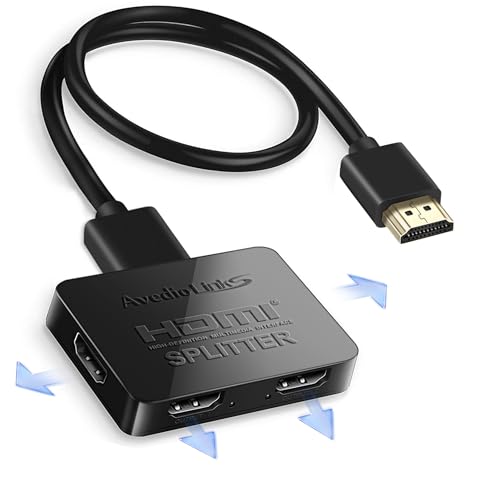
The Avedio Links 1×4 HDMI Splitter duplicates a single HDMI input to four separate displays. This is a mirror solution ideal for presenting the same content across multiple projectors or displays without routing through multiple sources. It supports up to 4K x 2K at 30 Hz, maintaining image clarity when spreading content to four screens.
It’s not a switcher and does not extend or display different content on each screen. It’s best used when a single source needs to be shown on several displays simultaneously—for example during a coordinated presentation, showroom demos, or a classroom where synchronized content is necessary. A plug-and-play design simplifies setup using a single HDMI source such as a Blu-ray player, PC, or streaming device.
For those seeking a reliable, simple solution to hit four screens with the same video, this splitter provides dependable duplication with minimal fuss. However, keep in mind that it won’t enable independent content on each display or support audio extraction on its own.
Pipishell 120 Inch Projector Screen
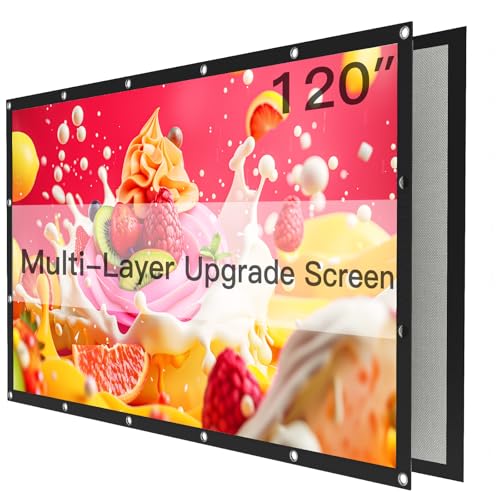
The Pipishell 120-Inch Projector Screen presents a large, immersive viewing experience with a 16:9 aspect ratio and a 107″ × 61″ viewing area. Its 160-degree viewing angle helps deliver a comfortable image from most seating positions, making it suitable for family movie nights or outdoor events where multiple viewers surround the screen.
Constructed with a three-layer structure featuring an HD display layer, an image enhancement layer, and a light-blocking Oxford backing, the screen is designed to resist warping and ensure bright, crisp images. It’s portable and foldable, enabling easy transport to outdoor gatherings or temporary setups, and it pairs well with a projector to create a versatile multi-venue projection system.
Pyle 40-Inch Portable Projector Screen

The Pyle 40-Inch Portable Projector Screen is designed for mobility and quick setup. Its fold-out steel tripod supports a compact screen that’s easy to transport between rooms or locations. The adjustable height ranges from 20 to 46 inches, making it flexible for different seating arrangements and ceiling heights.
The white projection surface uses a matte finish to reduce glare and improve image clarity. A black masking border helps focus attention on the displayed image, aiding alignment and edge definition during quick presentations or casual movie nights. This screen is well-suited for classrooms, small meetings, or impromptu viewing parties where portability matters.
Aoxun 120-Inch Motorized Screen

The Aoxun motorized screen delivers a large, 120-inch diagonal projection surface with a 4:3 aspect ratio. It uses a premium PVC matte surface with a black backing to improve color contrast and image brightness. The motorized pull-down mechanism allows convenient operation from a remote or wall switch, making it a practical choice for dedicated home theaters or media rooms.
With a broad viewing angle and robust construction, this screen supports 4K UHD content and is suitable for LED, LCD, and DLP projectors. Its size makes it suitable for larger rooms and installations where a permanent or semi-permanent screen is preferred, providing a high-quality backdrop for movies, sports, or presentations.
Buying Guide
Key considerations when choosing a setup to split a projector into four screens include the difference between multi-viewers and simple splitters. A true multi-viewer or HDMI switcher like the BolAAzuL device can display multiple sources on one screen with configurable layouts, whereas a 1×4 splitter duplicates one source across four displays. Decide whether you need independent inputs per screen or synchronized content across all surfaces.
Resolution and refresh rate matter. If you plan to run 4K content, ensure the device supports 4K at an acceptable frame rate (often 4K@30Hz or 1080p@60Hz). HDR, 3D, and compatibility with gaming consoles or PCs are additional factors that influence which model to pick. For classrooms or presentations, low-latency performance is crucial to keep timing aligned with slides or demonstrations.
Input/output configuration is another consideration. If you want four different sources visible at once, you’ll need a multi-viewer with multiple inputs and layouts. If your goal is to mirror content across four displays, a reliable 1×4 splitter will suffice. Cable management, power supply, and wall or cabinet space should be evaluated to maintain a clean and safe setup.
Device compatibility with your projector and displays is essential. Check the number and type of HDMI ports, EDID management, and whether the device requires external power. In environments like classrooms or conference rooms, remote control, or integration with control systems can simplify operation. Always review manufacturer guidance on setup and safety to prevent signal degradation or device overheating.
Finally, consider physical practicality and aesthetics. Large-screen installations benefit from screens that are easy to mount, move, and store. If you’re opting for a permanent home theater, motorized or fixed screens from reputable brands can improve both performance and convenience. For temporary arrangements, portable screens matched with a compact splitter or switcher can deliver flexible, high-quality experiences without major structural changes.